0086-18057388688


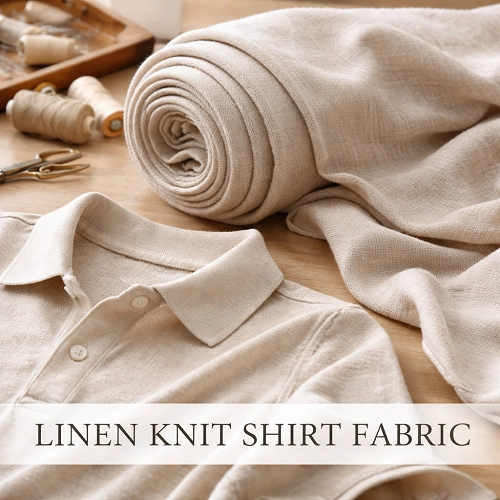
Linen Knit Shirt Fabric: Fiber Science, Construction, and Performance
Linen knit — a textile that blends the breathability and natural feel of linen with the stretch and comfort of knit construction — is becoming a favorite among designers, makers, and everyday wearers alike.
What Is Linen Knit Fabric?
At its core, linen knit fabric is made from linen fibers — derived from the flax plant — but constructed using knit techniques rather than woven ones. This gives linen knit a distinctive set of properties:
- Natural Fibers + Flexibility: Unlike traditional woven linen, knit construction introduces loops of yarn that allow stretch and recovery.
- Drape and Hand Feel: Linen knit often has a softer hand (feel) and more fluid drape than woven linen, while still retaining linen’s crispness.
- Thermoregulating: Like all linen textiles, linen knit remains cool to the touch, wicks moisture efficiently, and dries quickly.
- Texture and Appearance: It may vary from fine jersey to more open-work, slubbed knits, offering visual and tactile character.
Technical Characteristics and Fabric Behavior
Understanding linen knit’s unique technical properties helps makers work with it successfully.
1. Fiber Properties of Linen
- Strength and Durability: Linen fibers are among the strongest natural fibers; they resist pilling and abrasion well.
- Moisture Management: High absorbency but quick evaporation means linen knit wicks sweat and remains comfortable in warm climates.
- Linen Slubs: Natural irregularities — called slubs — can affect stretch and appearance.
2. Knit Construction Basics
- Stretch & Recovery: Knit allows for lateral stretch; the degree depends on knit structure (e.g., jersey, rib, interlock).
- Grain & Curling: Knit fabrics lack a defined grainline; edges can curl, which affects pattern alignment and cutting.
- Relaxation After Cutting: Knits relax (shrink or stretch) after cutting, so managing stabilization is key.
3. Gauge & Stitch Density
- Gauge: Refers to the number of needles per inch — higher gauge = finer fabric.
- Stitch Density: Affects opacity, weight, and stability. Higher density = less stretch but more structure.
Factors to Consider When Designing Shirts with Linen Knit
Linen knit shirts can range from casual tees to relaxed collared tops. In all cases, design should reflect fabric behavior.
Silhouette and Fit
- Relaxed vs. Fitted: Knit is forgiving; relaxed silhouettes work well, but fitted styles require careful patterning for ease and stretch.
- Ease Allowances: Unlike woven linen shirts, knits need less ease if the fabric has good stretch.
Necklines and Openings
- Ribbed Bands Favorable: Using rib knit for neckbands stabilizes openings and prevents distortion.
- Plackets & Collars: Consider interfacing or stay-tape, especially with knit collars, to maintain structure.
Pattern Matching and Directionality
- Stripe Alignment: Knits can distort; match stripes carefully and consider using stabilizing tape.
- Directional Stretch: Align stretch across the body (horizontal stretch for comfort).
Cutting and Sewing Best Practices
Linen knit presents both opportunities and challenges in garment construction.
Preparation
- Pre-washing: Always pre-wash to allow linen’s inherent shrinkage before cutting.
- Pressing: Steam lightly; linen knits can flatten or distort if over-pressed.
Cutting
- Use Sharp Tools: Rotary cutters and sharp shears prevent snagging.
- Weights Over Pins: To reduce distortion, use pattern weights where possible.
Stabilization Techniques
- Stay-Tape or Fusible Knit Interfacing: Apply to shoulder seams, necklines, and plackets to prevent stretching.
- Stay-stitching: Along curved or bias edges helps maintain shape.
Stitch Choices
- Stretch Stitches: Select narrow zigzag, three-step zigzag, or specialized knit stitches to preserve elasticity.
- Serger/Overlocker: Ideal for seams — differential feed prevents wavy seams.
- Twin Needle Hems: Gives a professional finish with stretch retention.
Performance, Comfort & Wearability
Linen knit garments offer excellent comfort but come with practical considerations.
Breathability
- Airflow and Cooling: Good for warm weather due to capillary wicking and open knit structure.
- Layering: Works well for transitional weather with layering.
Wrinkle Resistance and Texture
- Natural Creasing: Linen readily creases — some makers embrace this as character; others may blend with other fibers or finishes to reduce wrinkles.
Strength Under Strain
- Seam Durability: Might need reinforcement in high-stress points like underarms.
- Stretch Recovery: Knit gives give, but linen’s lower elasticity compared to synthetic knits means recovery can be modest.
Fabric Blends and Variants
Pure linen knit is delightful — but blends expand possibilities.
| Blend | Characteristics |
| Linen + Cotton Knit | Softer hand, reduced tendency to wrinkle, good for basics |
| Linen + Rayon Knit | Enhanced drape, softer surface |
| Linen + Spandex/Lycra Knit | Added stretch and shape retention |
| Linen + Wool Knit | Warmer, ideal for cooler weather knits |
Blends help tailor fabric performance for specific shirt styles — from structured polos to drapey tunics.
Care and Finishing
Proper care preserves linen knit’s beauty over time.
Washing
- Gentle Cycles: Cold water, mild detergent.
- Hand Wash: Best when possible to protect knit loops.
Drying
- Air Dry: Lay flat to prevent distortion or stretching; avoid hanging while wet.
- Tumble Dry with Care: Low heat and short cycles if necessary.
Ironing & Pressing
- Steam Lightly: Use a pressing cloth to protect the knit surface.
- Block to Shape: Reshape seams and hems while damp.
Creative Applications of Linen Knit Fabric
Beyond classic shirts, linen knit’s versatility inspires diverse garment ideas:
- Relaxed T-shirts & Tanks: Everyday basics with superior breathability.
- Lightweight Henleys: Knit plackets and necklines add subtle detail.
- Collared Polo-Tops: Elegant yet casual menswear or womenswear staples.
- Tunic & Wrap Tops: Choose drapey knits for flowing silhouettes.
- Layering Pieces: Lightweight cardigans or mid-layers for transitional weather.
Troubleshooting Common Challenges
| Problem | Likely Cause | Solution |
| Stretched Neckline | Lack of stabilization | Use stay-tape or ribbing |
| Uneven Seams | Differential feed issues | Adjust serger feed dogs |
| Curling Edges | Knit edge tension | Apply interfacing or stay-stitch |
| Wrinkles | Fiber nature | Embrace texture or use blends |
Linen knit shirt fabric harmonizes the best of linen’s natural breathability with the flexibility and comfort knit construction provides. With thoughtful design, proper handling, and an understanding of knit behavior, linen knit becomes a premium choice for shirts that are stylish, comfortable, and seasonally adaptable. Whether you’re a professional designer, home sewist, or curious maker, mastering the nuances of linen knit opens the door to garments that feel as good as they look.